
When most people think about Wisconsin, wine is probably not the first thing that comes to mind. But Wisconsin’s wine scene has quietly grown into something worth paying attention to. The state is now home to more than 100 wineries, several designated wine regions, and a growing number of award-winning wines that are helping reshape perceptions about Midwest winemaking.
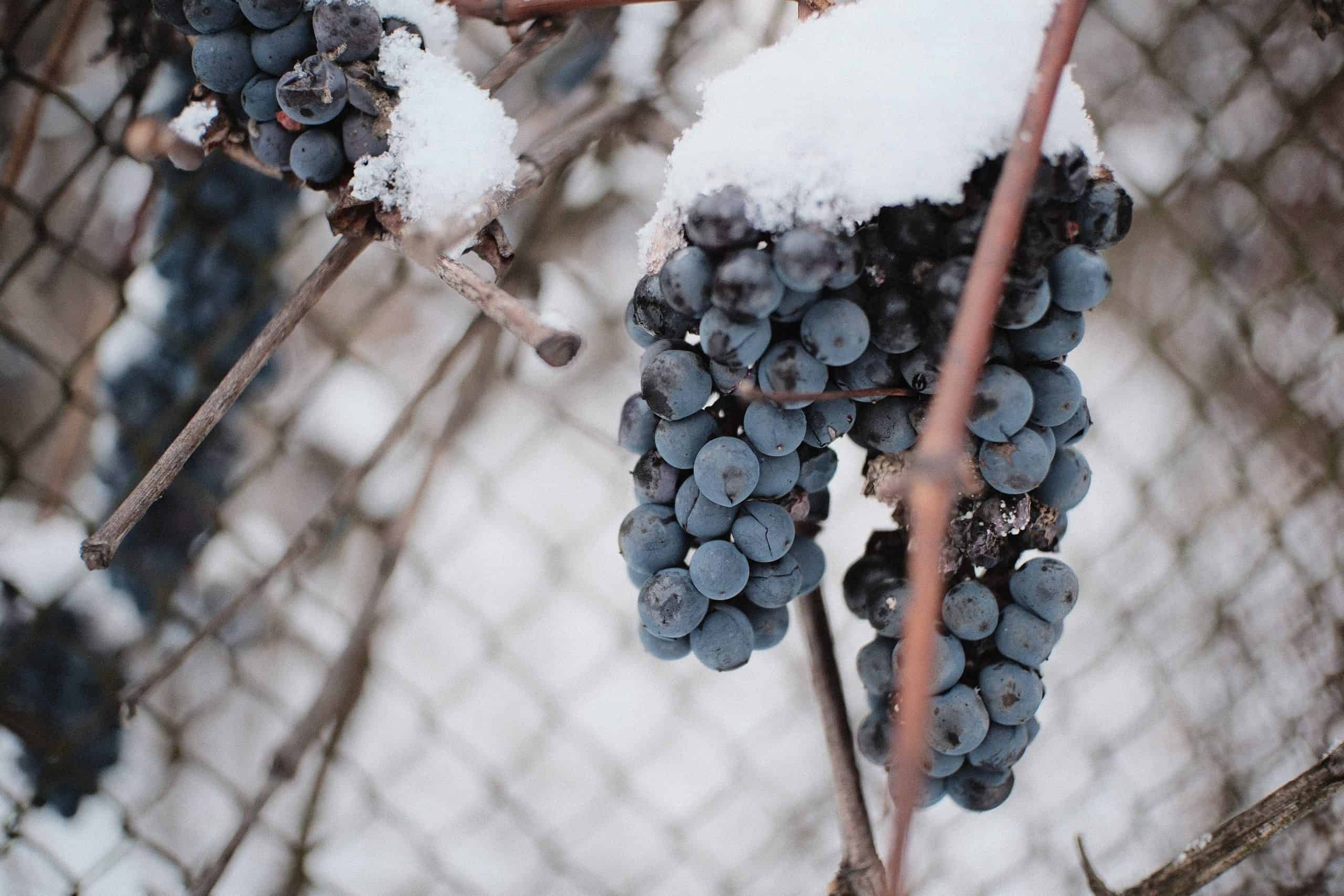
What makes the Wisconsin wine industry especially interesting is the climate. Wisconsin winters can be brutal, with subzero temperatures, late spring frosts, and short growing seasons that would destroy many traditional European grape varieties. Yet despite those challenges, wineries across the state are producing everything from crisp whites and fruit-forward reds to sparkling wines and rosés. The secret lies in the cold-climate wine grapes that thrive here.
These hardy hybrid grapes were developed specifically to survive Northern winters while still producing flavorful, balanced wines. Today, Wisconsin wine grapes are helping local wineries carve out a uniquely Midwestern identity.
Why Wisconsin is suited for cold-climate wine grapes
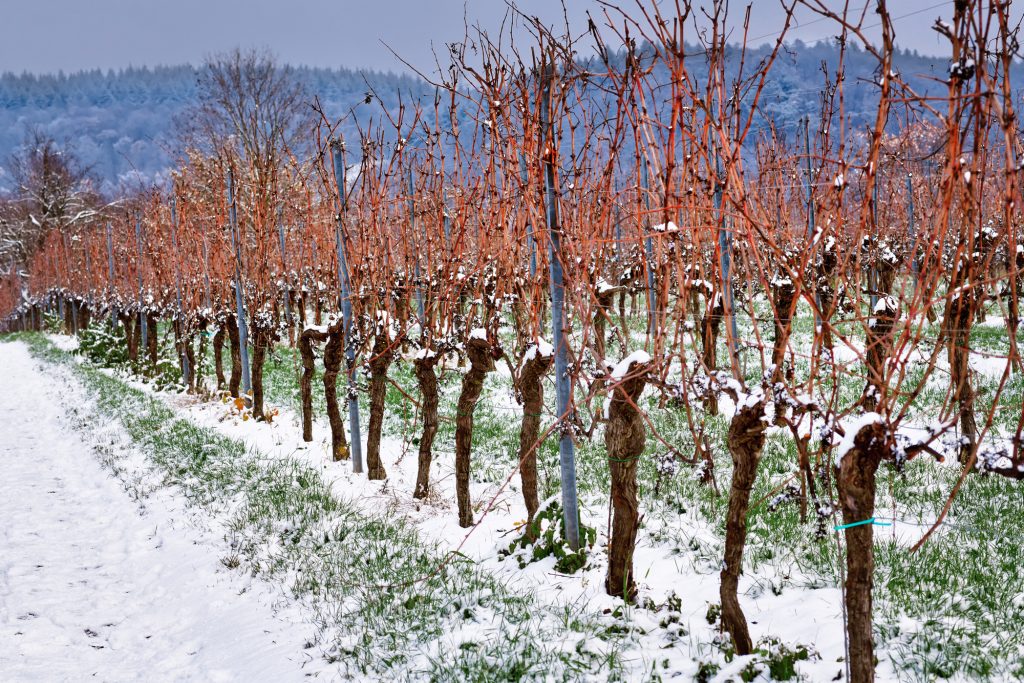
Growing grapes in Wisconsin is not easy. Vineyard owners have to deal with long winters, humid summers, and dramatic swings in temperature. A late frost in May can damage young buds, while deep freezes during winter can kill vines that are not built to withstand the cold.
That is why many of the wine grapes grown in Wisconsin are hybrid varieties. Hybrid grapes are created by crossing traditional European grape species with hardier North American varieties. The goal is to combine the flavor characteristics of classic wine grapes with the durability needed for colder climates.
Many of the Wisconsin grape varieties used today were developed through breeding programs at the University of Minnesota. These programs focused on developing cold-climate wine grapes that could survive Midwest winters while still producing high-quality wine.
Popular white wine grapes grown in Wisconsin
Wisconsin wineries produce a wide range of white wines, many of which are aromatic, fruity, and refreshing. These wines tend to pair perfectly with summer patio weather, lakeside weekends, and Wisconsin fish fries.
La Crescent
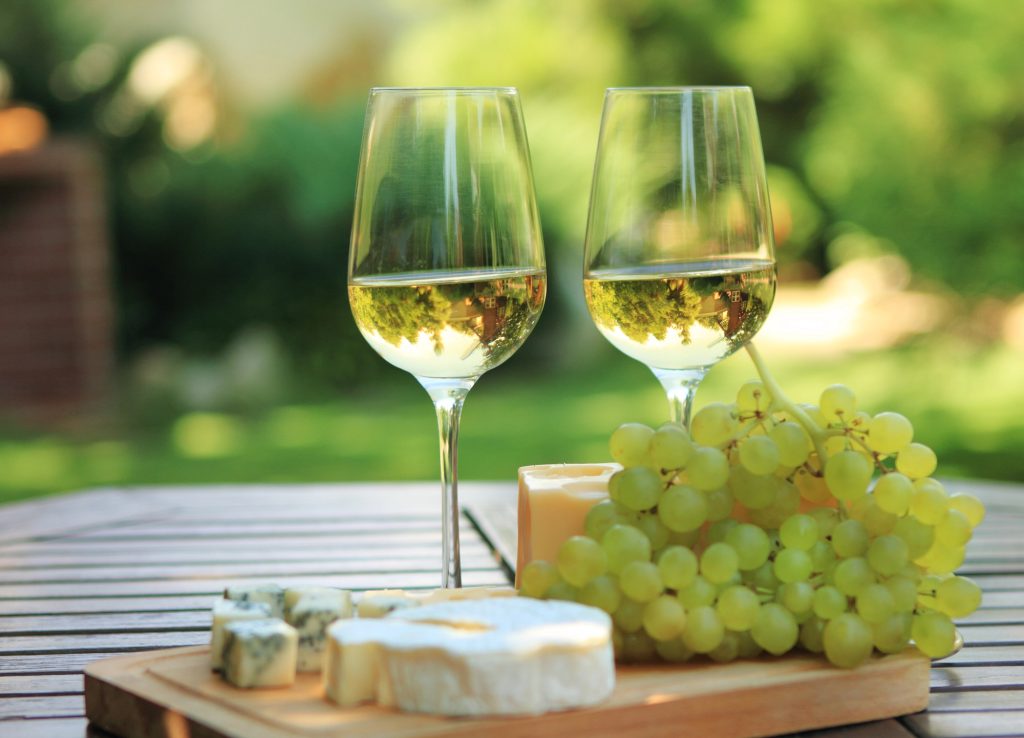
La Crescent is one of the best-known white Wisconsin wine grapes. It is aromatic and often delivers notes of apricot, peach, citrus, and tropical fruit. Depending on the winery, La Crescent wines can range from dry to sweet, though many Wisconsin wineries use it to make semi-sweet styles.
Wine to try: Parallel 44’s La Crescent. This semi-sweet white wine has won numerous awards for the Door County winery, including Best of Show in the International Cold Climate Competition and a Gold medal in the 2025 San Francisco Chronicle Wine Competition.
Frontenac Blanc
Frontenac Blanc is a mutation of the Frontenac and Frontenac Gris grapes that was discovered by grape growers in Minnesota and Canada. It’s known for its crisp acidity and citrus-forward character. Some wines made from this grape have tropical notes, while others lean more toward green apple and lemon. Its naturally high acidity makes it especially useful for sparkling wines and dry whites.
Wine to try: Élevage by Drumlin Ridge Winery (Waunakee). Chardonnay lovers will love this Wisconsin take on the oaky favorite, which uses Frontenac Blanc that is fermented and aged in French oak barrels.
St. Pepin
St. Pepin is another grape well-suited to Wisconsin’s shorter growing season because it ripens early. Wines made from St. Pepin are typically light-bodied and floral with soft fruit flavors, similar to a Riesling. This grape is often used for easy-drinking wines that appeal to casual wine drinkers who may be new to Wisconsin wines.
Wine to try: 2021 St. Pepin from Villa Bellezza (Pepin). This dry white wine, made from grapes grown in the Upper Mississippi River Valley, has been awarded Best White Hybrid Wine in international wine competitions. It has notes of peach and citrus.
Brianna
If you enjoy sweeter wines, you will probably like Brianna wines. This grape is known for its tropical flavors, often showing pineapple, mango, and peach notes. Brianna wines are popular in tasting rooms because they are approachable and easy to enjoy. They also tend to appeal to visitors who may not normally drink wine.
Wine to try: Summerland from American Wine Project (Mineral Point). This 100% Brianna wine has notes of citrus peel, bergamot and guava. Its skin-contact fermentation gives it an orange wine-like quality.
Popular red wine grapes grown in Wisconsin
While white wines often dominate the Midwest wine scene, Wisconsin wineries are also producing increasingly impressive reds using cold-climate wine grapes.
Marquette
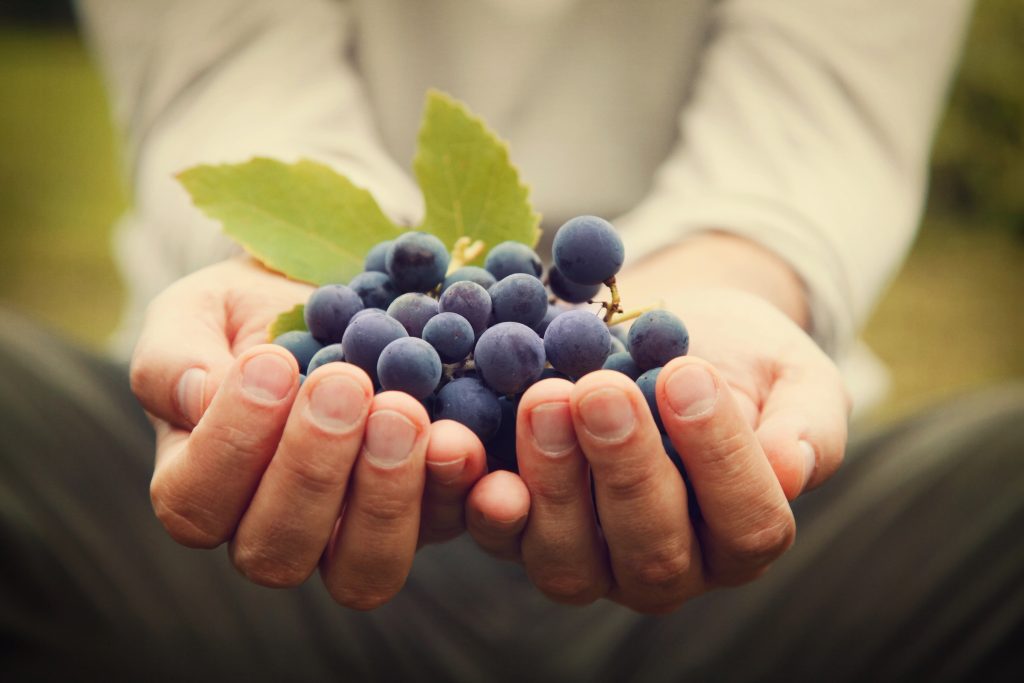
Marquette has become one of the most recognizable cold-climate red wine grapes grown in Wisconsin. Developed by the University of Minnesota, this grape produces wines with cherry, blackberry, spice, and pepper notes.
Some Marquette wines resemble lighter-bodied Pinot Noir or Syrah. Others are fuller and more structured, depending on how the wine is aged and produced.
Wine to try: Marquessa – Reserve Marquette from Chateau St. Croix (St. Croix Falls). I was fortunate to try this Marquette wine at a recent Uncork Wisconsin event. Wine that carries the “Marquessa” label has to adhere to specific standards. They must be made with at least 75% Marquette grapes and aged in oak barrels for at least one year.
Frontenac
Frontenac, another grape created at the University of Minnesota, is a versatile grape used in red wines, rosés, dessert wines, and even port-style wines. It produces deep color and bold acidity, making it useful for a variety of wine styles. Because of its intense fruit flavors, Frontenac often delivers notes of black cherry, plum, and blackberry.
Wine to try: Stomp by Rock N Wool Winery (Poynette). I personally love the jammy-ness of this off-dry red wine.
Marechal Foch
Marechal Foch has grown in the Midwest for decades and remains an important part of the Wisconsin wine industry. This French-American hybrid produces earthy wines with berry flavors and softer tannins. It was one of the earlier grapes to prove that quality red wines could be made in colder regions.
Wine to try: Domaine du Sac from Wollersheim Winery (Prairie du Sac). This dry red wine is made with 90% Maréchal Foch grapes grown in Wollersheim’s 27-acre vineyard. Winemaker Philippe Coquard used a traditional French whole-berry fermentation method to make the wine, which is aged for five months in French and Wisconsin oak barrels.
Leon Millot
Leon Millot is another longtime cold-climate wine grape variety grown throughout the Midwest, but it is less common than Marquette or Frontenac. The grape originated in the Alsace region of France. Wines made from Leon Millot are usually smooth and fruit-forward with dark berry flavors and mild tannins. Many wineries blend it with other grapes to create more balanced and complex wines.
Wine to try: Red Rock from Drumlin Ridge Winery (Waunakee). This dry red wine is a blend of Leon Millot and Marechal Foch aged in Driftless Glen Bourbon Barrels for 5 months. It has notes of caramel, vanilla, and oak.
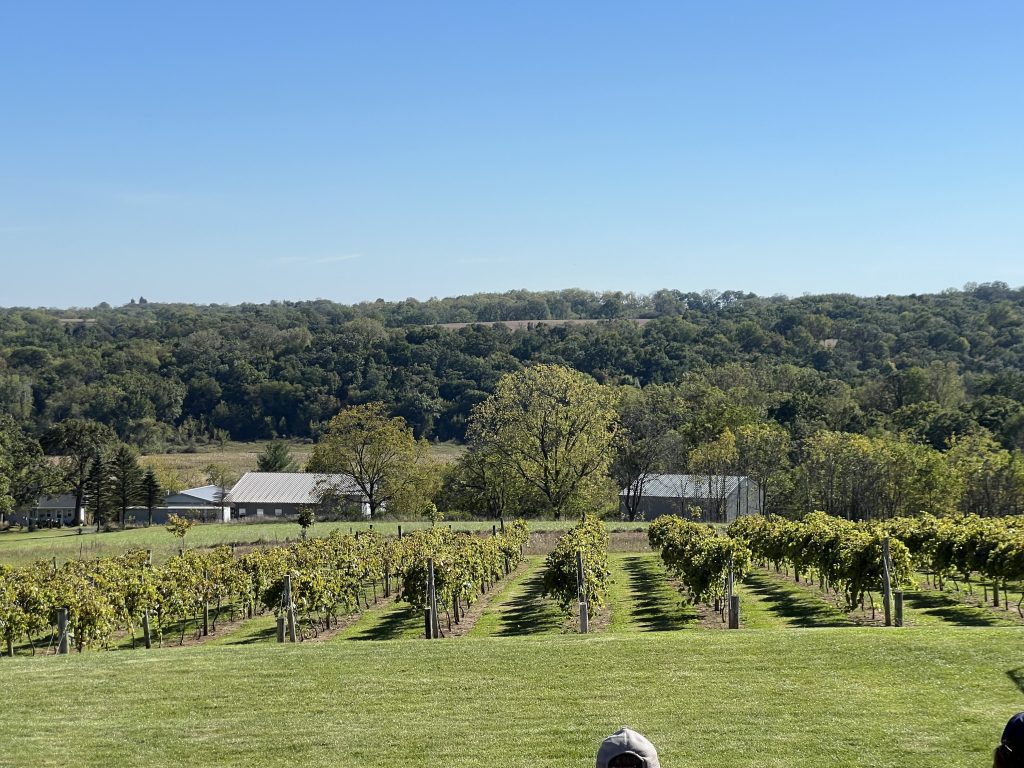
Challenges Wisconsin grape growers face
Even with hybrid grapes, vineyard management in Wisconsin remains challenging. Winter damage is always a concern, especially during extreme cold snaps. Vineyard owners often use special pruning and training techniques to help protect vines from freezing temperatures.
Humidity also creates problems. Wet conditions can increase the risk of fungal diseases, making canopy management and airflow especially important during the growing season.
However, one of the biggest challenges that Wisconsin winemakers face is consumer perception. Many wine drinkers are unfamiliar with hybrid grapes and may assume Midwest wines are lower quality than wines from California or Europe. Or that Wisconsin wineries only produce fruit wines like strawberry, apple, or cherry wine. But that perception is changing quickly as more Wisconsin wineries earn awards and recognition.
The future of Wisconsin wine grapes
The future looks promising for Wisconsin wines. Wine tourism continues to grow across the state, and more travelers are discovering the unique experiences offered by local wineries.
Researchers are also continuing to develop new hybrid grapes with improved flavors, stronger disease resistance, and better cold tolerance. As winemaking techniques evolve, Wisconsin wineries are producing increasingly sophisticated wines that compete well beyond the Midwest.
Wisconsin may never rival California’s Napa Valley, but that is part of what makes it special. The wines here reflect the climate, the landscape, and the creativity of the people making them. For wine lovers willing to explore beyond the usual regions, Wisconsin wineries offer something refreshingly different.
FAQs
What are “estate-grown” grapes?
“Estate-grown” means the winery grows the grapes on land it owns or directly controls rather than buying them from outside growers or vineyards. This usually gives wineries more control over grape quality and allows the wine to reflect the specific vineyard and growing conditions.
Are Wisconsin wines sweet or dry?
Wisconsin wines can be both sweet and dry. While the state is known for fruit wines and sweeter styles, many wineries also produce dry reds and crisp whites using cold-climate wine grape varieties such as Marquette, Frontenac, and La Crescent.
What is the most common grape used in Wisconsin wine?
One of the most widely used grapes in Wisconsin winemaking is Marquette, a cold-climate red grape developed to withstand harsh Midwest winters. Frontenac and La Crescent are also commonly grown throughout the Wisconsin wine industry because they thrive in cooler temperatures.